Chimney Inspection Service in Dallas, TX
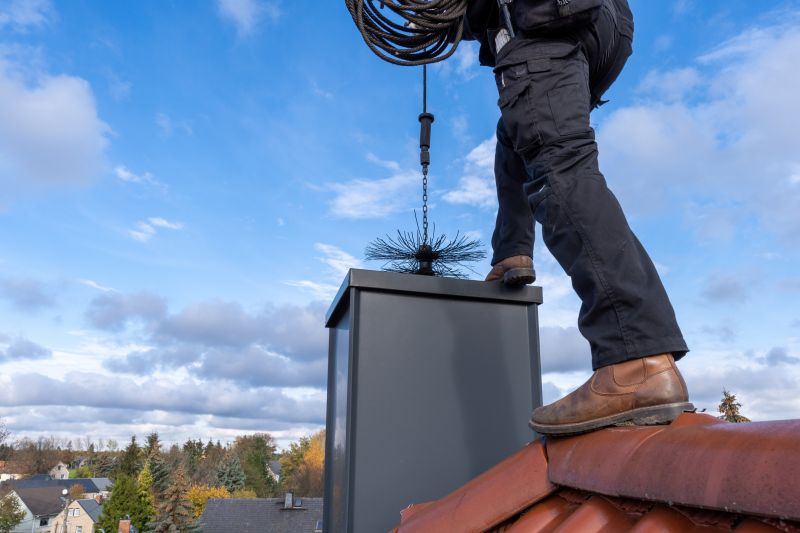
Chimney inspection services involve a thorough assessment of a chimney’s structure, condition, and safety features. These inspections typically include checking for creosote buildup, cracks, blockages, and signs of deterioration that could affect proper venting or pose safety risks. Homeowners often request inspections before the start of the heating season, after any chimney repairs, or following weather events that may cause damage. Projects can range from routine annual inspections to detailed evaluations when planning a chimney replacement or addressing concerns about smoke or odors inside the home.
Property owners should understand what to expect during an inspection, including the scope of the assessment and any potential recommendations for repairs or cleaning. It’s useful to know whether the inspection covers the chimney liner, cap, mortar joints, and surrounding structure. Clarifying these details can help ensure the inspection aligns with specific concerns, such as draft issues, visible damage, or the presence of animals or debris. Contacting for an inspection provides homeowners with a clearer understanding of their chimney’s safety and functionality, helping to maintain a safe and efficient heating system.
Many property owners in Dallas, TX look into Chimney Inspection Service for repairs, replacements, upgrades, and appearance-related improvements.
Chimney Inspection Benefits
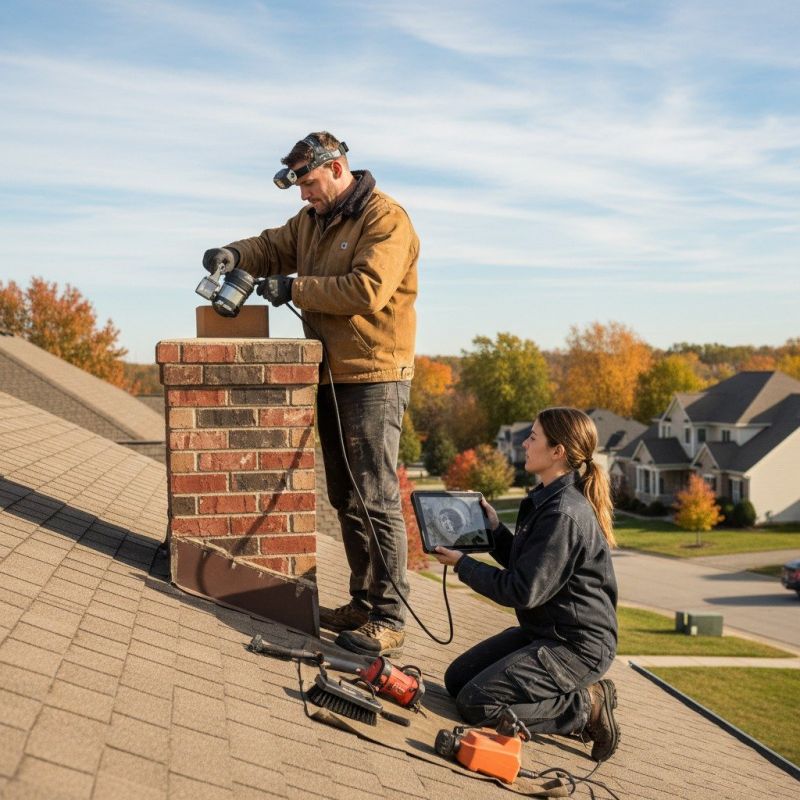
Ensuring your chimney is safe and functioning properly helps prevent fire hazards and improves indoor air quality.
Signs You Need An Inspection
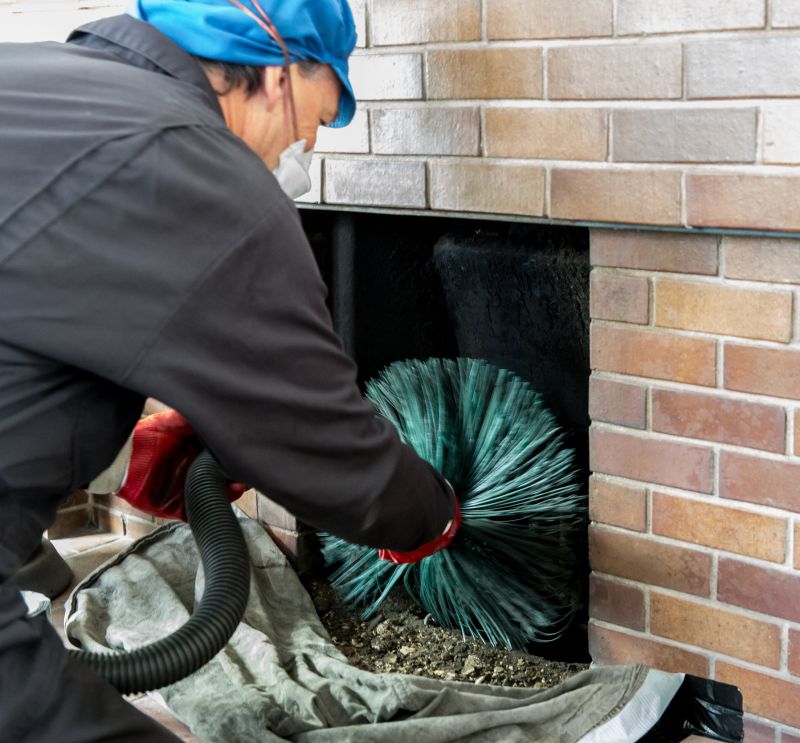
Visible creosote buildup, smoke drafts, or unusual odors are common indicators that a chimney inspection is necessary.
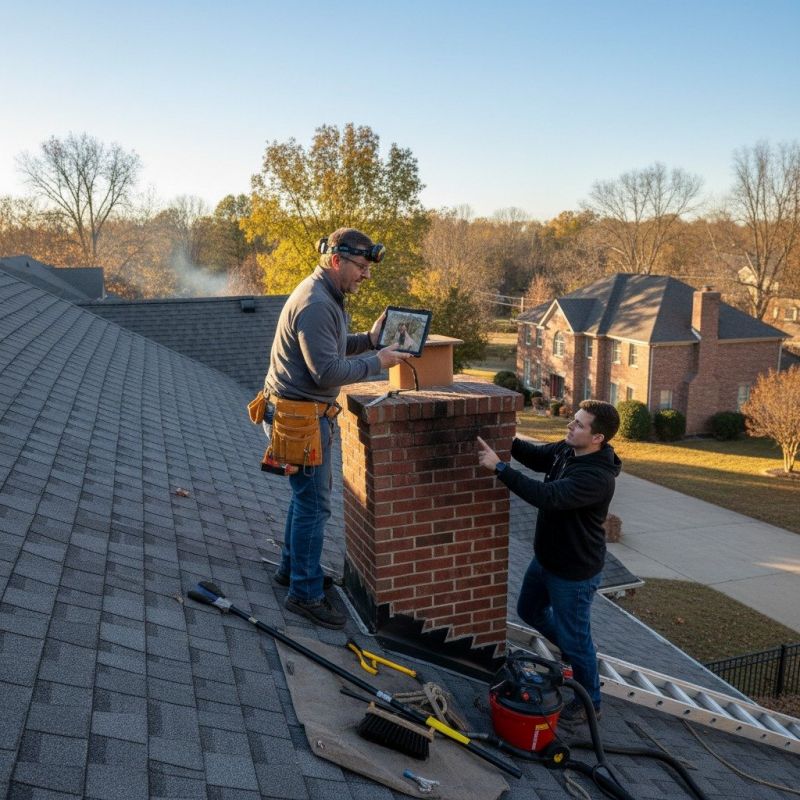
Inspection Techniques Used
Comprehensive inspections include visual checks, camera scans, and assessments of structural integrity to identify potential issues.
Chimney Inspection Service in Dallas, TX
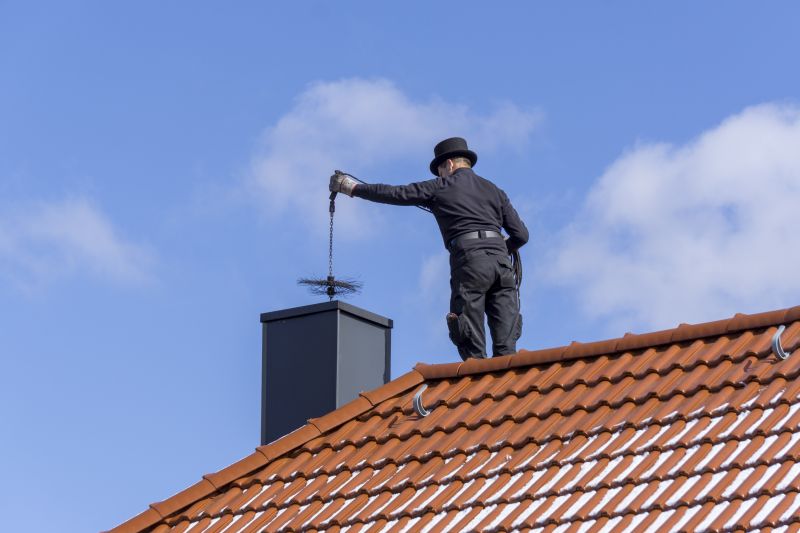
Chimney inspection services involve a thorough assessment of a chimney’s structure, condition, and safety features. These inspections typically include checking for creosote buildup, cracks, blockages, and signs of deterioration that could affect proper venting or pose safety risks. Homeowners often request inspections before the start of the heating season, after any chimney repairs, or following weather events that may cause damage. Projects can range from routine annual inspections to detailed evaluations when planning a chimney replacement or addressing concerns about smoke or odors inside the home.
Property owners should understand what to expect during an inspection, including the scope of the assessment and any potential recommendations for repairs or cleaning. It’s useful to know whether the inspection covers the chimney liner, cap, mortar joints, and surrounding structure. Clarifying these details can help ensure the inspection aligns with specific concerns, such as draft issues, visible damage, or the presence of animals or debris. Contacting for an inspection provides homeowners with a clearer understanding of their chimney’s safety and functionality, helping to maintain a safe and efficient heating system.
Many property owners in Dallas, TX look into Chimney Inspection Service for repairs, replacements, upgrades, and appearance-related improvements.
Common Chimney Inspection Service Jobs
Chimney Inspection - a thorough assessment of chimney structure and condition to identify potential issues.
Flue Inspection - evaluation of the flue liner for cracks, blockages, or damage that could impact safety.
Pre-Season Chimney Check - inspection before the heating season to ensure proper operation and safety.
Post-Repair Inspection - verification of repairs to confirm the chimney is safe and functioning correctly.
Emergency Chimney Inspection - urgent assessment following damage or suspected blockages to prevent hazards.
Routine Chimney Evaluation - regular inspections to maintain chimney integrity and prevent costly repairs.

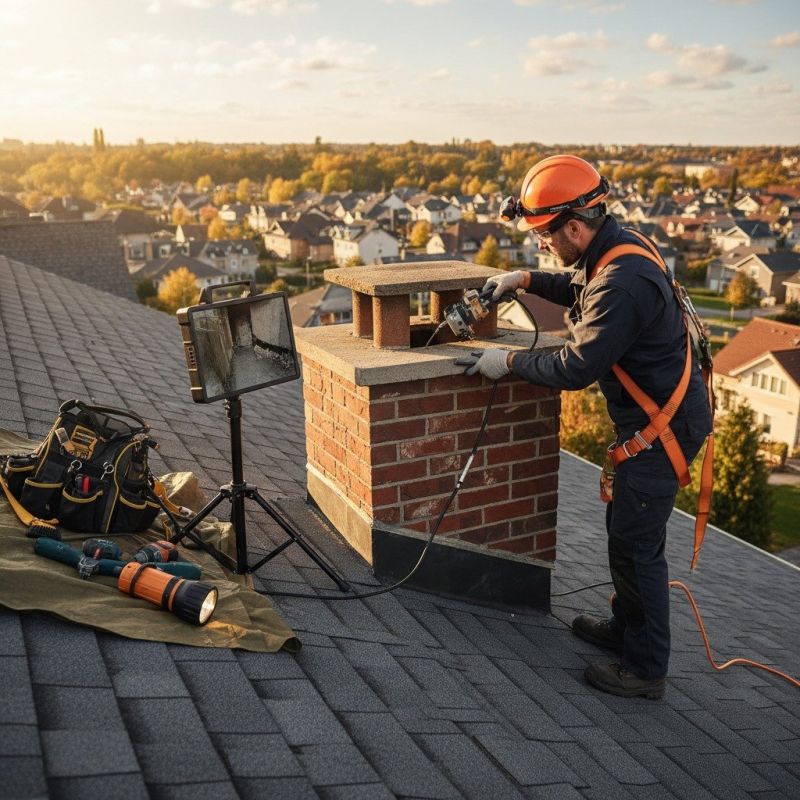
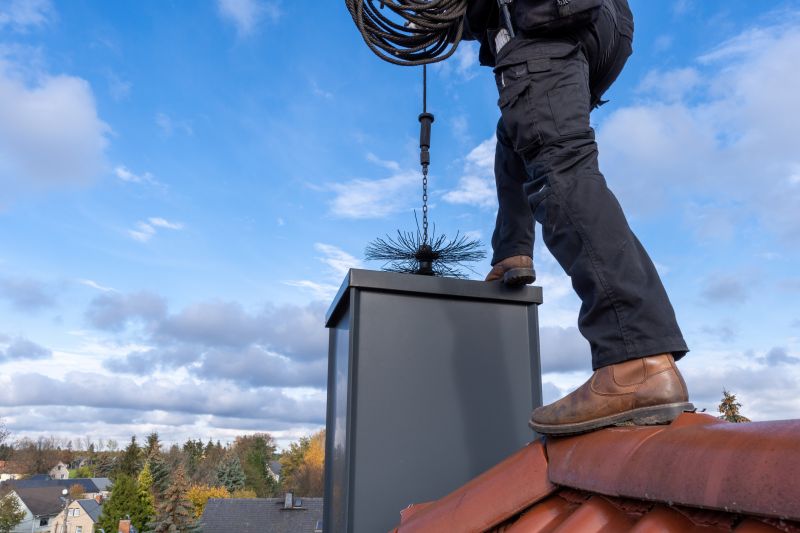
Chimney Inspection Service Questions
What is involved in a chimney inspection? A chimney inspection typically includes checking the flue, chimney structure, and venting system for damage or blockages to ensure safe operation.
How often should a chimney be inspected? It is recommended to have a chimney inspected at least once a year, especially before the heating season begins.
What signs indicate a chimney needs inspection? Signs include smoke backing up, unusual odors, visible cracks, or a buildup of creosote or debris inside the chimney.
What are the benefits of regular chimney inspections? Regular inspections help prevent fire hazards, improve efficiency, and identify potential issues early before they become costly repairs.
Request Chimney Inspection Service in Dallas, TX
Use the quote form on this page to share the basics of your project and request more information for the type of work you need.